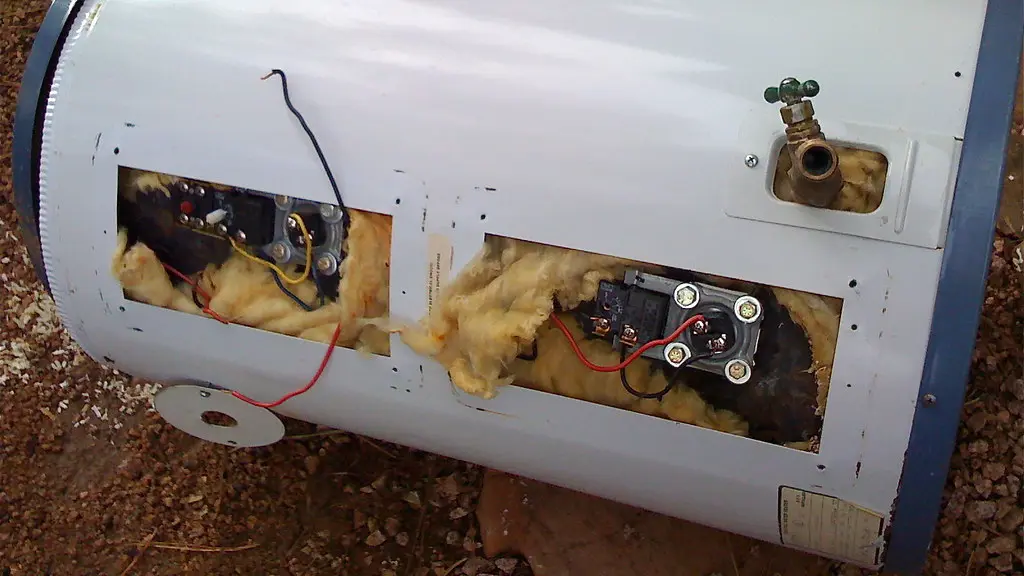
Find the source of the problem
No hot water can have a component or supply cause. Water around the unit might come from a fitting, a relief discharge, or the tank itself. A confirmed internal tank leak differs from a replaceable connection. Diagnosis should happen before a major purchase.
Consider condition, not age alone
Age is one part of the decision, alongside previous repairs, corrosion, performance, and parts availability. Ask the provider to explain the actual failure and what a repair would accomplish. A rule of thumb should not replace an inspection of your specific unit.
Size for the way your household uses water
Simultaneous showers, laundry, and dishwashing affect demand. For storage heaters, recovery performance matters as well as capacity. For tankless systems, flow and required temperature rise matter. Describe your household use instead of buying equipment based only on the existing label.
Compare the entire installed scope
Ask about removal, disposal, permits, valves, venting, electrical or gas work, drainage, and startup testing. A cheap equipment price is not a complete installation price. Clarify which existing connections can be reused and which need upgrading.
Understand warranty responsibilities
The equipment manufacturer and installer may provide different coverage. Request the written terms, registration requirements, labor coverage, and any exclusions. PlumberDallas.com does not issue a contractor warranty; coverage comes from the actual provider and manufacturer.
Plan maintenance for your model
Follow the equipment instructions and professional recommendations for the property. A tankless heater and a storage unit have different maintenance needs. Ask the installer to show operating controls, explain warning indicators, and identify when to request service.
Repair or replace? Start with a written diagnosis
The most useful first question is not “How old is the heater?” but “Which part has failed, and how was that established?” A unit that stops heating may need a component repair, while a confirmed leak from the storage tank raises a different replacement question. Water on the floor can also come from nearby piping, a connection, or another appliance. Ask the professional to identify the source before treating the whole heater as defective. Our water heater repair guide explains why symptoms and confirmed faults are different.
Record whether the problem affects every hot-water outlet or only one fixture. Note whether the water starts hot and becomes cold, never heats, or fluctuates during simultaneous use. Collect the model information from an accessible label without removing covers. These observations help frame an assessment, but they do not justify opening electrical panels or adjusting gas controls yourself. If water is near electrical equipment, keep clear and arrange appropriate help.
When a focused water heater repair may make sense
A repair can be worth considering when the failure is limited, suitable parts are available, and the remaining equipment is in serviceable condition. Ask whether the proposed work addresses the confirmed cause or only temporarily restores operation. Replacing a failed component does not necessarily solve corrosion, leakage elsewhere, or an installation problem. The provider should explain what has been checked and what remains uncertain, especially if the unit has received several recent repairs.
Compare the written repair scope with a realistic replacement scope rather than comparing a diagnostic fee with the price of a tank in a store. Include any necessary follow-up, access, and testing. If the provider recommends replacement, ask why a repair is unsuitable for this particular heater. Our Dallas plumbing cost guide offers estimate questions without inventing a universal repair price. A useful decision should reflect condition, household needs, and your tolerance for further disruption—not an unsupported promise about how many years the equipment will last.
Replacement involves more than choosing a new tank
A water heater replacement proposal should identify the exact equipment and the work needed to install it appropriately. Existing space, access, fuel supply, venting, electrical connections, drainage, and other site conditions can affect the scope. Ask which connections will be reused and which need changes. Requirements depend on the equipment and project; the installer should explain applicable permits and inspections rather than assuming the old installation establishes what is acceptable today.
Clarify removal and disposal of the existing heater, protection of nearby finishes, and cleanup. If the unit is in a difficult-to-reach location, discuss how it will be moved and what access is necessary. Request a startup and verification plan that covers proper operation and accessible leak checks. Keep the model, serial information, installation paperwork, and written warranty terms together. Our guide to hiring a Dallas plumber helps you confirm who is responsible for each part of the job.
Would tankless hot water suit your household?
A tankless heater is not automatically the best replacement for every storage heater. The provider needs to consider simultaneous demand and the temperature rise needed, along with the property’s available utilities and installation conditions. Tell them whether showers, laundry, and dishwashing commonly overlap. Changing household size or adding fixtures can also change the sizing discussion. Ask for the reasoning behind the recommendation, not just a claim that one technology is universally superior.
Our tankless water heater guide explains the questions to ask before committing. Compare the full conversion scope with keeping an appropriate storage system. A conversion can involve more than swapping equipment in the same footprint. Confirm model-specific maintenance, access for service, and what happens if hot-water demand exceeds the selected unit’s capacity. Do not accept a savings figure unless the provider explains the assumptions and whether they fit your actual use. Comfort, installation practicality, and ongoing maintenance all deserve a place in the comparison.
Questions to answer before approving the work
Request separate written descriptions of the repair and replacement alternatives, if both are reasonable. Each should identify the diagnosis, included labor and materials, exclusions, schedule, and procedure for authorizing additional work. Ask whether the assessment fee is separate and whether it is credited toward the chosen job. Confirm how long water may be unavailable and whether other utilities need to be interrupted. These details are particularly important when household members depend on predictable access to hot water.
The manufacturer’s equipment warranty and the installer’s labor warranty may be different. Ask who handles a later problem, whether registration is required, and what maintenance records should be kept. Do not assume a referral website provides the contractor’s warranty. PlumberDallas.com introduces service requests when a participating provider is available; the independent business confirms the actual work and terms. Read how the request process works, then request plumbing help with the symptoms and equipment information you already have.
Ready for help?